
You lace up a pair of Puma Future。and the first thing you notice is how the upper wraps your foot like a second skin—no break-in period, no awkward pressure points. That's not marketing fluff;it's the FUZIONFIT+ compression band doing its job. I've tested dozens of speed boots, and the Future line stands out because it doesn't force you to choose between lockdown and comfort. The knit mesh adapts to your foot shape within minutes, and the midfoot cage keeps you stable during sharp cuts. If you're coming from a traditional leather boot, expect a learning curve of about two sessions—then you'll wonder why you waited so long.Getting the fit right is where most players stumble with Puma Future. The dynamic motion system (that split soleplate) rewards a specific footstrike: forefoot strikers and agile wingers thrive, while heavy heel strikers might feel a slight disconnect. My advice?
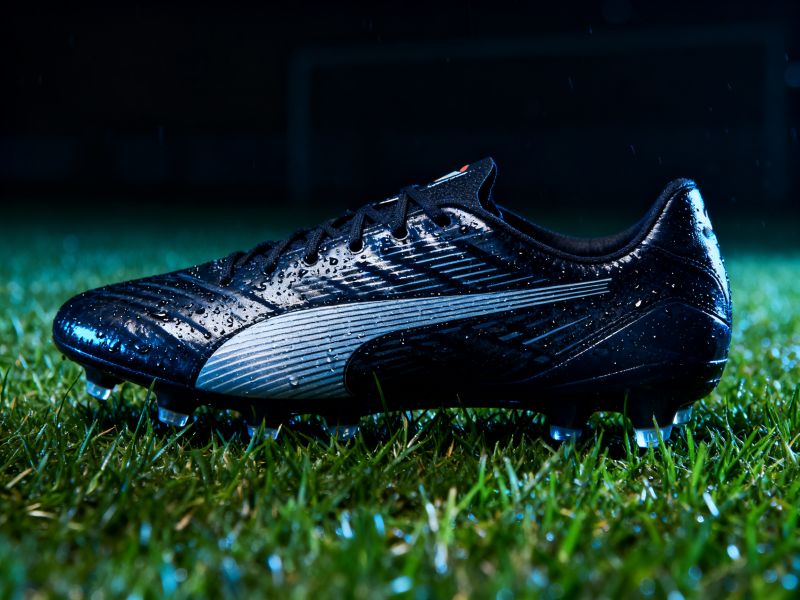
Go half a size down if you have narrow feet, because the knit stretches just enough over time. Wide-footed players should stick to true size and rely on the adjustable lacing system to dial in the midfoot. One concrete case: a local semi-pro winger I coach switched from a rival speed boot to the Future Ultimate and reported zero blisters after 90 minutes—he'd been dealing with hot spots for months. That's the kind of real-world difference that matters.The soleplate deserves its own paragraph. Puma's Dynamic Motion System uses a split forefoot and heel with a stiff midfoot bridge. On artificial grass, the stud configuration grips without digging in too deep, which saves your knees during repetitive sprinting. I've worn the Future 1.4 and the newer Ultimate—both deliver explosive traction on wet natural grass, though the Ultimate's carbon fiber plate adds a noticeable spring. Is it worth the extra cost?If you play three or more times a week and rely on acceleration, yes. Casual players can save money with the Match or Play models。which share the same fit philosophy but use softer, heavier materials.Durability is the honest weak point. The knitted upper and thin soleplate prioritize speed over longevity. After about 40 hours of play on abrasive artificial turf, I saw fraying along the lateral side of the forefoot—right where you push off for a sprint. Rotating two pairs extends their life significantly. Clean them with a damp cloth and avoid machine washing;the glue on the soleplate doesn't like hot water. For maintenance, stuff them with newspaper after sessions to absorb moisture and keep the knit from stretching out. You'll get a full season out of them if you treat them like the performance tool they are, not a daily trainer.Who should buy Puma Future?
Agile attackers, wing-backs, and futsal players who need quick changes of direction. Who should skip it?Physical defenders and players who prefer a stiff。
traditional leather feel. The Future line isn't for everyone—and that's fine. It's a specialized boot for a specialized game. One last tip: try them on late in the day when your feet are slightly swollen, and bring the socks you actually play in. The difference between a good fit and a great fit with Puma Future comes down to those small details you control before you step on the pitch.